
Introduction
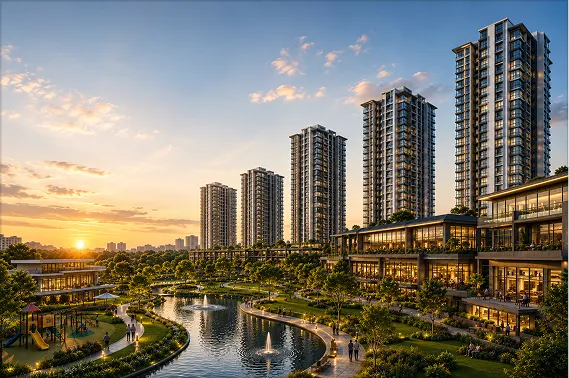
Integrated townships are no longer just a concept — they are rapidly becoming the defining model of modern urban development across India. These large-scale, carefully planned communities combine residential living, commercial activity, retail spaces, recreational zones, and social infrastructure within a single, cohesive environment. As Indian cities continue to grow and urban populations swell, the integrated township model is emerging as one of the most effective and sustainable approaches to meeting the housing and lifestyle demands of the 21st century.
For homebuyers, integrated townships offer something fundamentally different from standalone apartment complexes or individual housing plots. They offer a complete ecosystem — a place where residents can live, work, shop, exercise, and socialise without needing to travel significant distances. This holistic vision of community living is resonating deeply with modern buyers, particularly in cities like Ahmedabad where urban expansion is happening rapidly and thoughtful planning is essential to sustain quality of life.
Legacy Rooted in Vision
The concept of integrated development is built on a powerful foundational idea: that the best communities are not just collections of buildings but thoughtfully designed environments that support and enrich every aspect of human life. This idea has roots in urban planning philosophies that go back decades, but it has never been more relevant or more achievable than it is today.
Modern integrated township developers invest years in the planning phase before a single brick is laid. They study the topography of the land, the movement patterns of future residents, the placement of green spaces, the width and flow of internal roads, and the positioning of commercial and social amenities to ensure that everything works together harmoniously. The result is a community that feels cohesive and intuitive rather than pieced together as an afterthought.
In the Indian context, this visionary approach has been embraced by leading developers who understand that today's homebuyer is looking for far more than four walls and a roof. They want a lifestyle — a sense of community, a feeling of security, and access to conveniences that genuinely enhance their daily experience. Integrated townships deliver on all of these fronts simultaneously.
Building Trust, One Project at a Time
Township developments are fundamentally long-term undertakings. Unlike smaller residential projects that can be completed in two or three years, large-scale integrated townships often span a decade or more of phased development. This extended timeline demands an extraordinary level of planning discipline, financial stability, and commitment to quality from developers — and it places a correspondingly high level of trust in the hands of homebuyers who commit to these projects early.
Building and maintaining that trust requires consistent, transparent communication throughout the development journey. Buyers need to know that construction timelines are being met, that quality standards are being upheld, and that the promises made at the time of sale are being fulfilled phase by phase. Developers who excel in this regard are the ones who build lasting reputations and strong repeat buyer bases.
Key factors that drive trust in integrated township developments include well-planned internal infrastructure with properly laid roads, underground utilities, and drainage systems designed to serve the full community; efficient road and transport networks that ensure residents can move freely within the township and connect easily to the wider city; abundant open green spaces that provide residents with parks, gardens, and recreational areas to enjoy year-round; and community facilities and amenities — from clubhouses and sports courts to schools, healthcare centres, and retail hubs — that are delivered as promised.
When a developer consistently delivers on these elements across multiple phases of a township, they build a track record that speaks louder than any marketing campaign. Residents become advocates, recommending the project to family and friends, and future phases see strong demand driven by word-of-mouth credibility.
Landmarks That Define Urban Living
One of the most remarkable aspects of successful integrated townships is the way they evolve into landmarks — reference points within the urban fabric of their cities. This happens because of their sheer scale and the comprehensiveness of their planning. An integrated township is not just a residential address; it becomes a destination.
Within the boundaries of a well-planned township, residents have access to schools and pre-schools where their children can receive quality education without a long daily commute. Healthcare facilities — clinics, diagnostic centres, and in larger townships even full hospitals — ensure that medical needs are addressed promptly and conveniently. Retail spaces ranging from supermarkets to specialty stores, from cafes to fine dining restaurants, create a vibrant commercial ecosystem that serves both residents and visitors from surrounding areas.
Recreational infrastructure is another defining feature of landmark townships. Well-equipped clubhouses with gymnasiums, swimming pools, and multipurpose halls serve as community gathering spaces. Landscaped parks and jogging tracks encourage active outdoor living. Children's play areas provide safe, engaging spaces for younger residents. Sports courts for cricket, tennis, badminton, and basketball cater to residents of all ages and fitness levels.
The cumulative effect of all these elements is the creation of a complete urban environment that can meaningfully improve the quality of life of its residents — an environment that residents feel proud to call home and that the city as a whole comes to recognise as a benchmark development.
Evolving With Time & Technology
The most forward-thinking integrated townships today are not just incorporating modern design principles — they are actively embracing smart technology and sustainable development practices to create communities that are more efficient, comfortable, and environmentally responsible.
Energy-efficient building design is increasingly standard in new township developments. Buildings are oriented and designed to maximize natural light and ventilation, reducing dependence on artificial lighting and air conditioning. Solar energy systems, energy-efficient appliances, and LED lighting throughout common areas contribute to lower electricity consumption and reduced operational costs for residents.
Water management is another area where modern townships are making significant strides. Rainwater harvesting systems collect and store monsoon rainfall for use in landscaping and common area maintenance. Sewage treatment plants within the township treat wastewater and recycle it for non-potable uses, reducing the community's dependence on external water supply and minimising environmental impact.
Digital security solutions — including CCTV surveillance networks, biometric access control, and app-based visitor management systems — enhance the safety of residents while providing the convenience of remote monitoring. Smart home automation features in individual apartments allow residents to control lighting, climate, security, and appliances through their smartphones, adding a layer of comfort and energy efficiency to daily living.
Looking Ahead: The Future We're Building
As India's urban population continues to grow and the pressure on city infrastructure increases, integrated townships will play an increasingly central role in shaping how people live and how cities expand. The future of urban development lies in creating planned ecosystems that can absorb population growth gracefully — communities that grow and evolve without losing their essential character and quality.
Future integrated townships will likely go even further in blending residential, commercial, and institutional uses within a single planned environment. The boundaries between living, working, and leisure will become increasingly fluid, with more opportunities for residents to work close to home, access high-quality healthcare and education within walking distance, and enjoy rich cultural and recreational offerings without leaving their community.
Sustainability will be a non-negotiable feature of future townships rather than an optional add-on. Developers who embed environmental responsibility into the DNA of their projects from the earliest planning stages will be best positioned to meet the expectations of an increasingly conscious homebuyer population and the tightening sustainability requirements of regulatory bodies.
Closing Thought
Integrated townships represent far more than a real estate format — they represent a vision of how we want to live as communities in an increasingly urban world. By combining thoughtful planning, quality construction, modern technology, and genuine care for resident well-being, the best integrated townships are creating environments where people can truly thrive — not just today, but for generations to come. The future of urban living is being shaped right now, one thoughtfully planned community at a time.
